


Hiring a product photographer for the first time – or for the first time after a bad experience – can feel like a gamble. The portfolio looks great, the price feels right, and then somewhere between booking and delivery, something goes sideways. The photos don’t match the vision. The communication drops off. The images come back and they’re just… not what you imagined.
It happens more than it should. And most of the time, the warning signs were there before the contract was ever signed. If you’re hiring a product photographer and want to avoid a costly mistake, here are six red flags to watch for before you book.
1. There’s No Creative Direction or Pre-Production Process
This is the biggest one. If a photographer can’t tell you what happens before shoot day, that’s a problem.
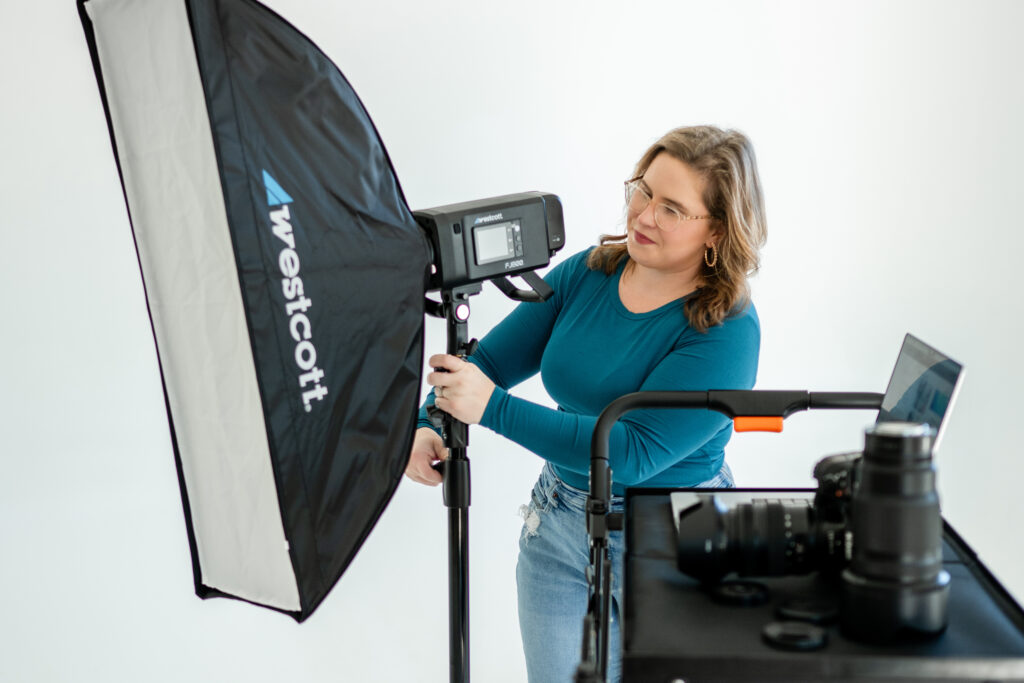
When hiring a product photographer, you should expect a detailed pre-production phase – a creative direction built around your brand, a shot list mapped out in advance, and a clear approval process before anything gets photographed. At Wonderly Creative Co, every shoot starts with a Milanote board that covers the shot list, color palette, prop direction, and styling notes. You review it, approve it, and we execute from there. No surprises.
If a photographer shows up on shoot day and figures it out as they go, you’re not getting creative direction. You’re getting a guess. And a beautiful guess is still a guess.
2. There’s No Clear Business Process
Photography is a creative service, but it’s still a business transaction – and it should be treated like one. Before you hand over your products or pay a deposit, you should have complete clarity on:
- What’s included in the fee
- When payment is due and what happens if it isn’t
- What licensing is included and what costs extra
- How many final images you’re receiving and in what format
- What the timeline looks like from shoot to delivery
If a photographer can’t answer these questions clearly, or if there’s no contract in place, walk away. A contract protects both of you. The absence of one is a red flag that the business side of the relationship isn’t going to be any clearer than the creative side.
3. Communication Only Goes One Way
Good communication before a shoot is one of the strongest predictors of a good result. When hiring a product photographer, if they’re hard to reach, slow to respond, or don’t seem to be incorporating your feedback into the plan – pay attention to that.
Your input matters. The best shoots happen when there’s a real back-and-forth between the photographer and the brand. You know your product, your customer, and your brand better than anyone. A photographer who isn’t asking questions or listening to your answers isn’t building a shoot around your brand. They’re building a shoot around their own instincts.
That might produce beautiful photos. But beautiful photos that don’t work for your brand aren’t doing their job.

4. Their Portfolio Only Shows One Type of Product
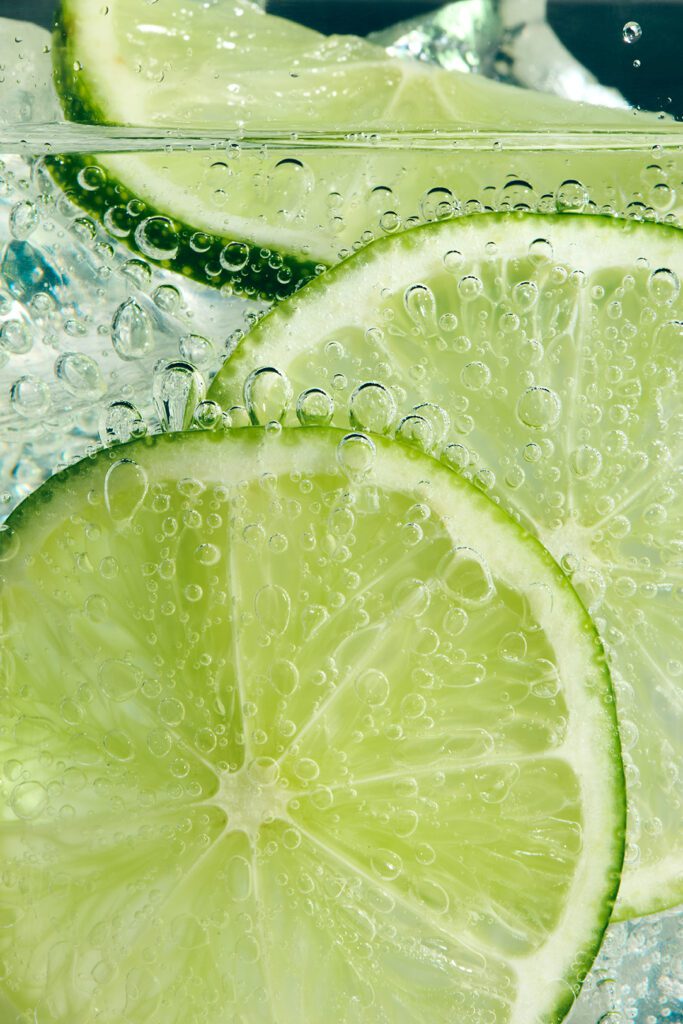
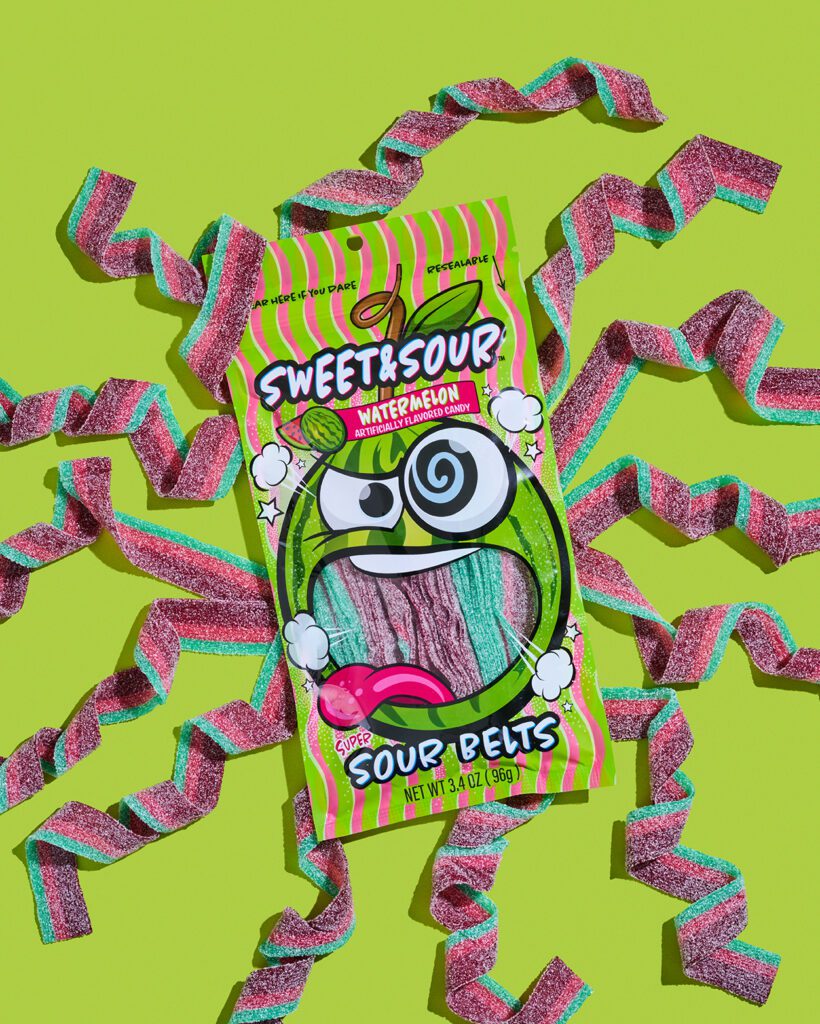
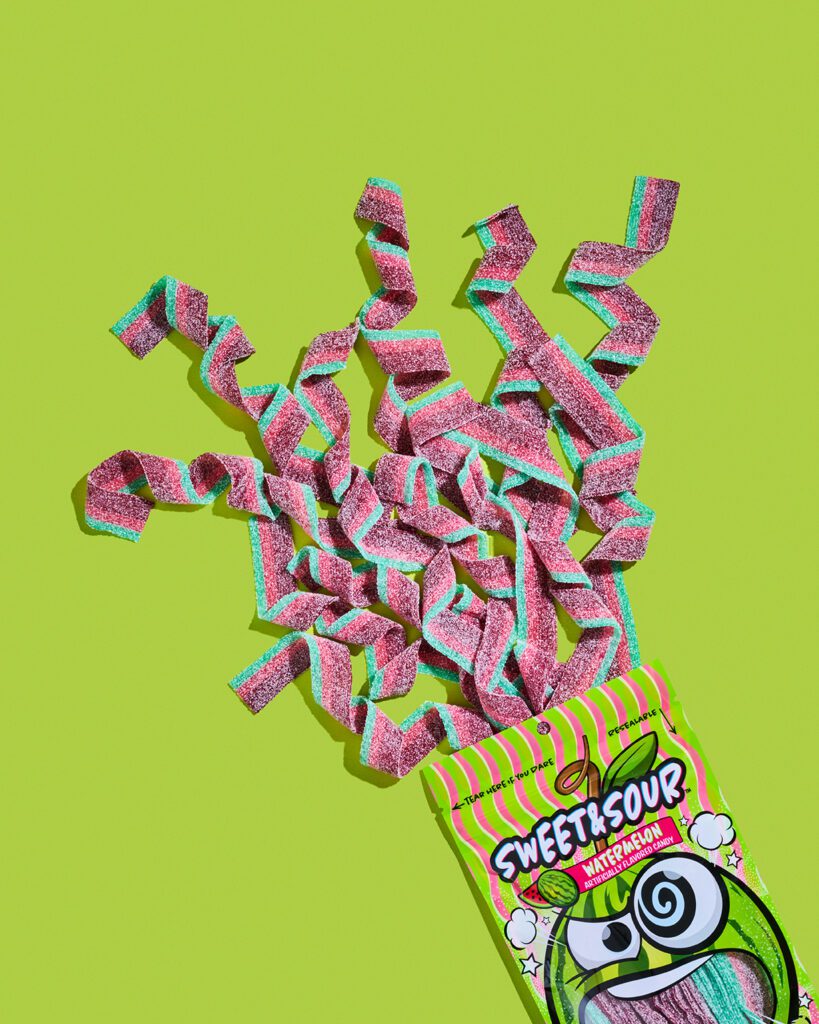
Range matters when hiring a product photographer. Beverages shoot differently than snacks. Packaged goods shoot differently than beauty products. Each category has its own styling considerations, lighting challenges, and composition needs.
If a photographer’s portfolio is full of one product type and nothing else, ask yourself whether they actually have the range to handle what your brand needs – or whether they’ve just gotten very good at one thing.
This doesn’t mean they can’t do great work for you. But it’s worth asking directly: have you shot this type of product before? How do you approach it? A confident, specific answer is reassuring. Vague enthusiasm is not.
5. They Seem More Focused on Their Portfolio Than Your Brand
Not every photographer is shooting with your brand in mind – and it shows. The images look stunning. They’d make a great addition to a portfolio. But they don’t quite feel like your brand.
Watch for photographers who push hard for a particular creative direction without asking much about your brand first. Or who get excited about a concept that serves their aesthetic more than your marketing needs. Great product photography should make your brand look like the best version of itself – not like a prop in someone else’s creative vision.
The best photographers are curious about your brand before they’re excited about the shoot.
6. There’s Pressure to Book Before You Have Enough Information
Any product photographer worth hiring will give you the time and information you need to make a confident decision. If you’re being rushed, given vague answers to direct questions, or made to feel like the opportunity will disappear if you don’t commit immediately – that’s a red flag.
Booking a photographer is an investment. You should feel completely clear on what you’re getting, how the process works, and what happens if something doesn’t go as planned before you sign anything. A photographer who is confident in their work and their process has no reason to rush you.
Take your time. Ask your questions. The right photographer will welcome them.
The Right Photographer Makes the Process Feel Easy
Hiring a product photographer shouldn’t feel like a risk. When the process is clear, the communication is open, and the creative direction is built around your brand – the shoot almost always goes well.
If something feels off before you book, trust that instinct. The red flags that show up in the inquiry stage rarely disappear once the shoot begins.
Ready to work with a photographer who leads with process, communication, and creative direction built around your brand?
