


If you’ve ever looked at a product photo and instantly felt like you could taste it, trust it, or reach through the screen and grab it, chances are the details did the heavy lifting. Understanding how to shoot macro product photos that create that kind of reaction starts with knowing what makes an image feel real.
Most brands focus on the full scene. The hero shot. The aesthetic. But the truth is, the images that actually build trust and drive conversions are often the ones that zoom in.
Macro product photography is where texture, color, and quality come to life. It is where your product stops looking like a photo and starts feeling real. And when it feels real, people are far more likely to buy.
Why Macro Photography Matters for Product-Based Brands
Before someone reads your ingredient list or product description, they are already making a decision.
They are asking:
- Does this look high-quality?
- Does this feel premium?
- Can I trust this product?
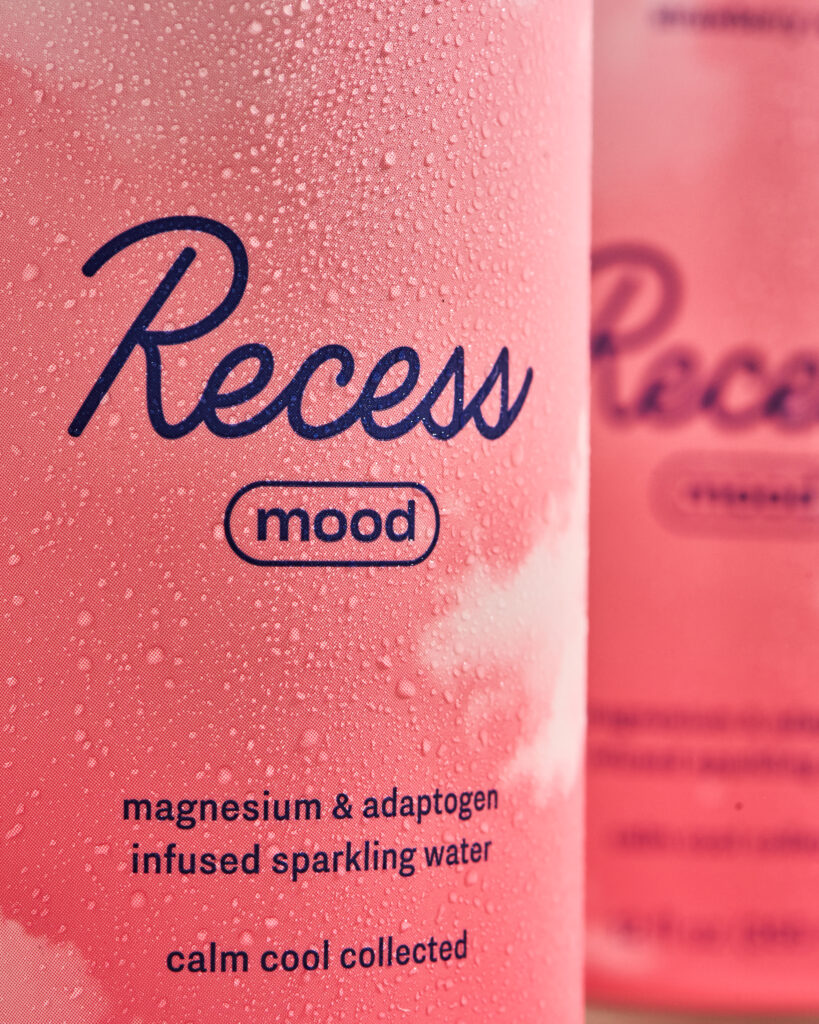
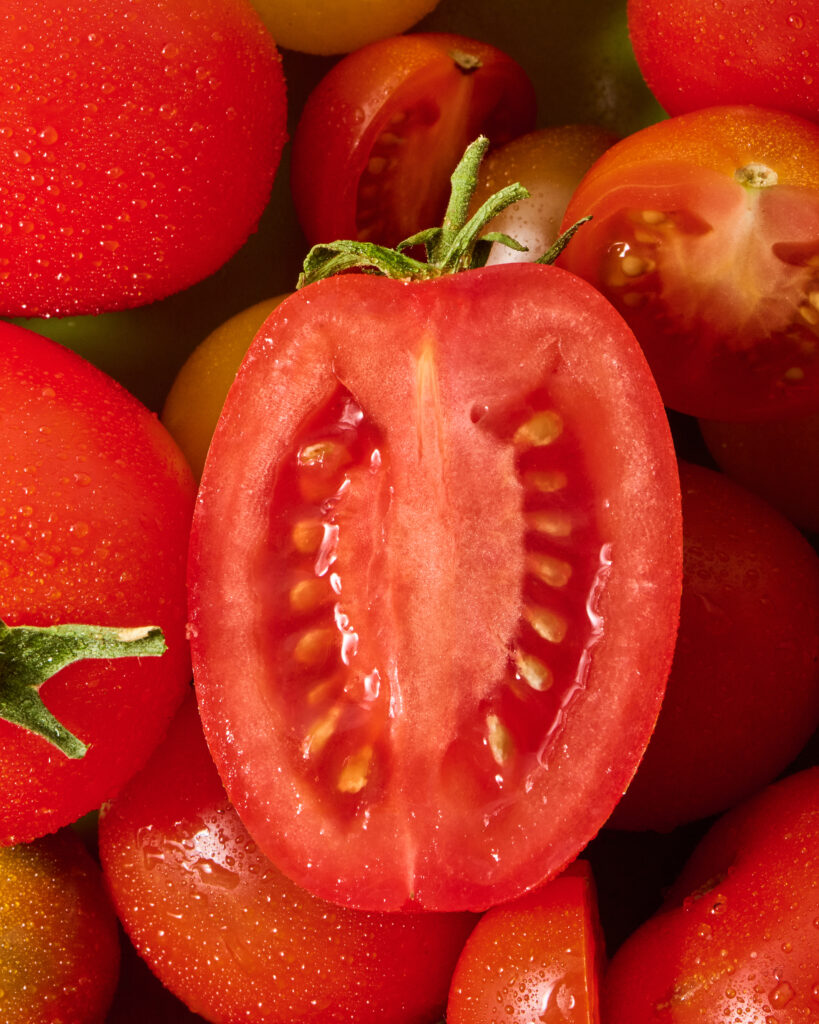
Macro images answer those questions instantly. Close-up details show texture in food and ingredients, condensation on a cold drink, the finish of packaging and the richness of color.
These are the visual cues that signal quality. This is especially important for CPG and beverage brands, where people are buying based on sensory experience they cannot physically have yet.
Macro photography bridges that gap.
Get Closer Than You Think
Most macro shots are not actually close enough. If you think you’re close, go closer.
You want to fill the frame with texture, color variation, and small imperfections that make the product feel real. It’s not about avoiding the full subject. It’s about pushing in far enough that the details become the focus.
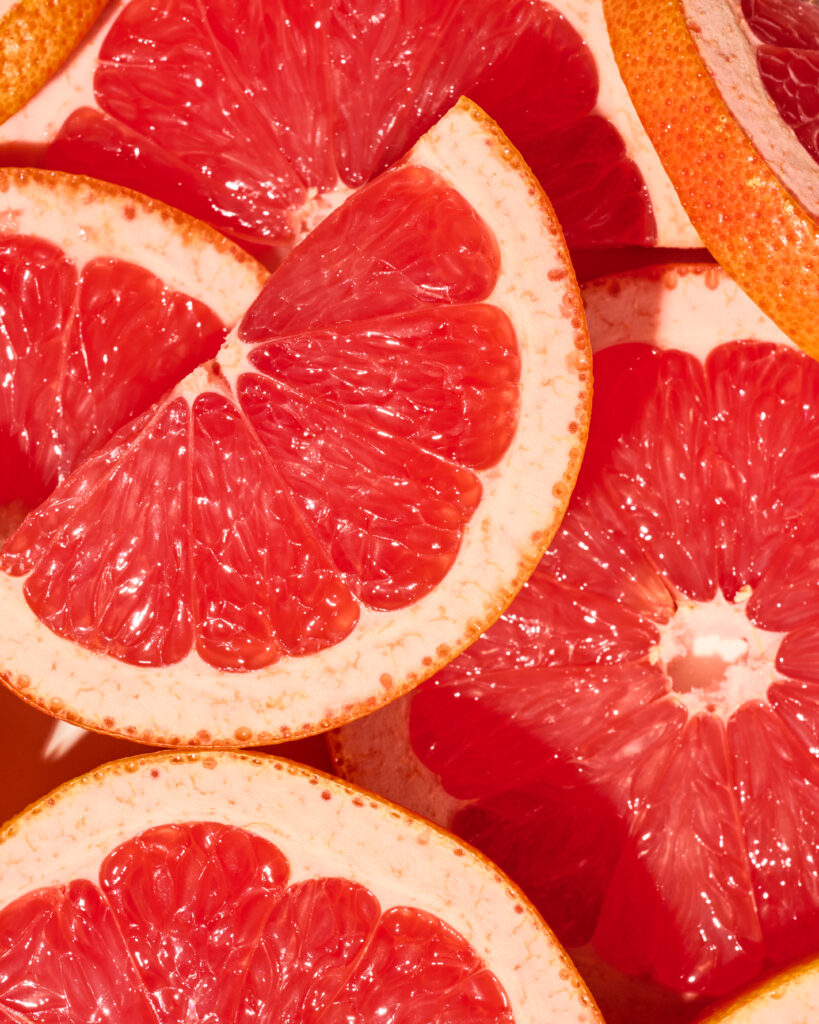
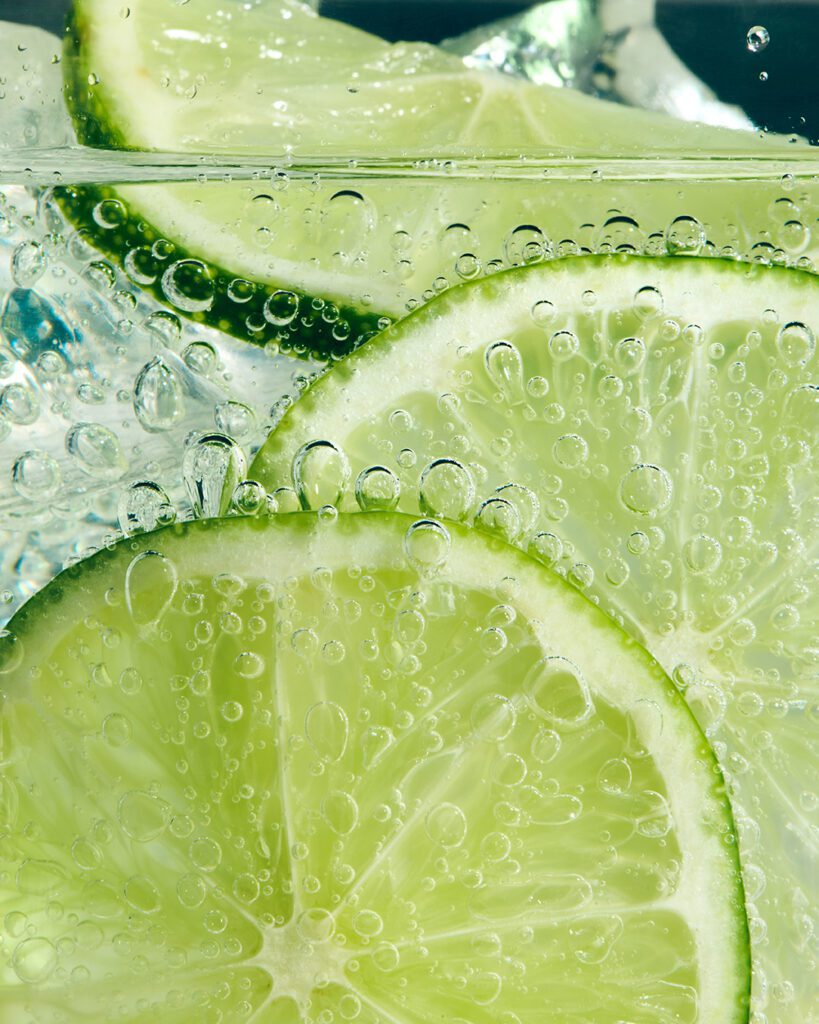
For example, a citrus slice can work beautifully, but instead of treating it as a whole shape, look for:
- the pulp
- the juice pockets
- the way light hits the surface
That level of detail is what makes someone pause.
I typically shoot macro details using a dedicated macro lens like (like this one), which allows me to get close enough to capture texture without losing sharpness.
Light for Texture, Not Just Brightness
Flat lighting kills detail. If everything is evenly lit, nothing stands out. To capture macro details that convert, you need lighting that enhances texture. Directional light creates depth, sshadows define shape, and highlights bring out moisture and shine.
This is how you get condensation to sparkle, sugar to look crisp and liquids to feel refreshing.
You are not just lighting the product. You are shaping how it feels.
Use Ingredients to Tell the Story
Macro photography works best when it is tied to something recognizable. This is where flavor cues come in. If you are shooting a citrus drink, include real citrus slices. Show juice, texture, and color, and highlight what the flavor actually looks like.
This gives context to the close-up. Instead of a random detail, it becomes a visual explanation of the product.
It also makes your images more scroll-stopping, because people instantly understand what they are looking at.
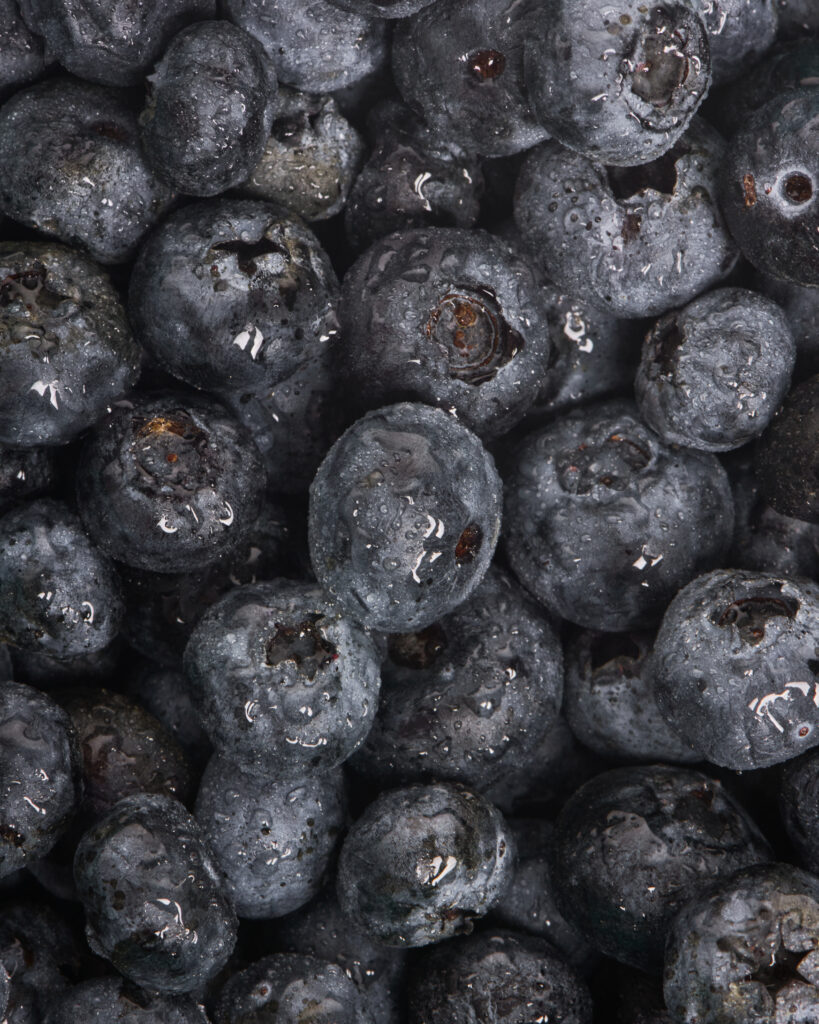
Shoot Macro as Part of a Larger System
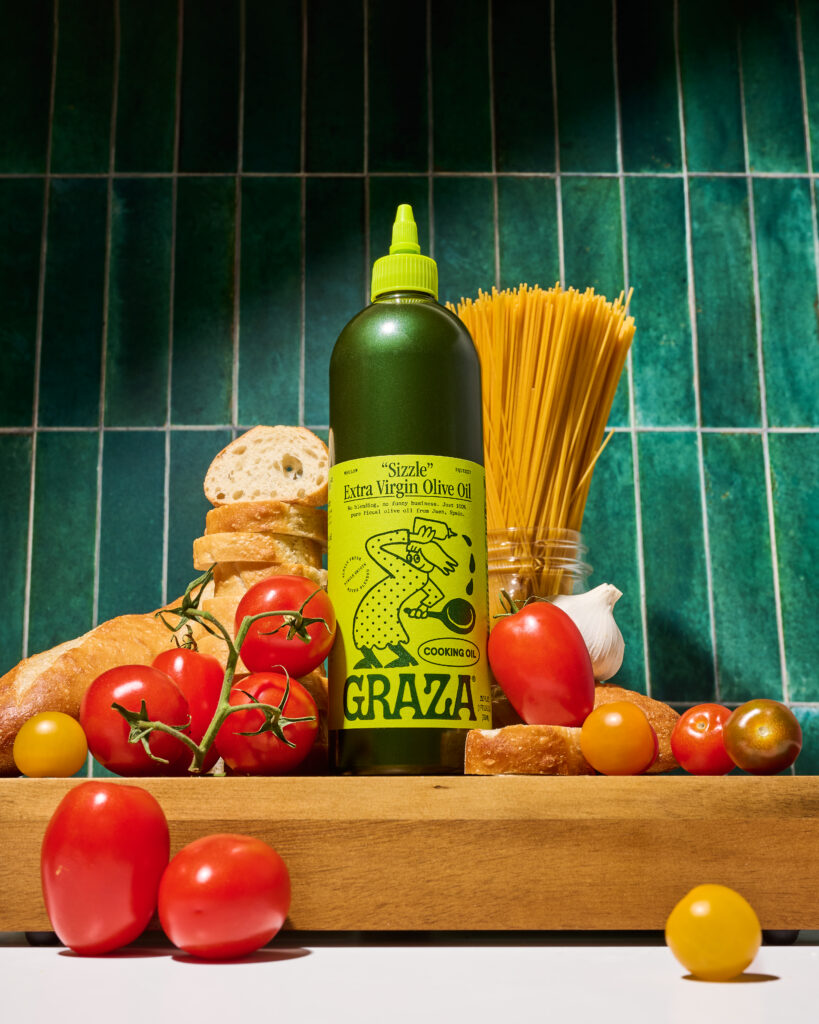
Macro images should not exist on their own. They should be part of a strategic set of images that work together:
- hero shots for context
- mid-range shots for storytelling
- macro shots for detail and trust
The goal is not just to get one good close-up.
The goal is to create a gallery that feels cohesive, gives variety and works across social, ads, and product pages. This is how brands get more out of a single shoot without creating from scratch every time.

5. Focus on What Sells, Not Just What Looks Cool
Not every macro detail is useful. The best ones highlight what matters to the buyer:
- texture that signals freshness
- color that reinforces flavor
- details that show quality
It is easy to get caught up in artistic shots, but the most effective macro images are the ones that connect directly to the product experience.
If someone can almost taste it, you are on the right track.
The Strategy Behind It All
Macro photography is not just about getting closer. It is about being intentional.
Every close-up should answer: What does my audience need to see to trust this product?
Because the photo itself is only part of the equation. The strategy behind it is what makes it convert.
Want Photos That Do More Than Just Look Good?
If your brand needs imagery that captures both the full story and the details that sell it, that is exactly what I create at Wonderly Creative Co.
From concept to final image, every shoot is designed to give you a cohesive set of visuals that work across your website, social media, and marketing.
